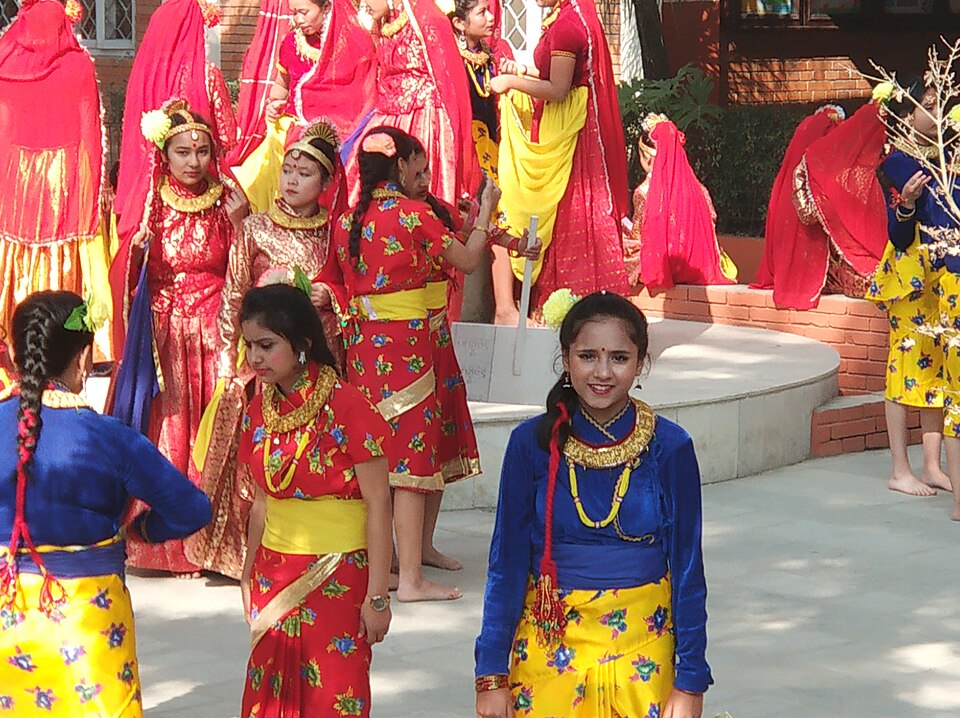
Rai Tea Culture — From Ilam Hills to Global Cups
The Rai people have a deep connection to tea cultivation, particularly in the Ilam district of eastern Nepal, which produces some of the finest orthodox tea in the world. Rai tea farmers have transformed Ilam into a premium tea destination, blending traditional agricultural knowledge with modern organic farming practices.
Historical Roots of Rai Tea Cultivation
Tea cultivation in the Rai-inhabited hills of Ilam dates back to the 19th century when the British established tea gardens in the region. Over generations, Rai families adopted and adapted tea farming, developing their own distinctive techniques for growing, harvesting, and processing tea leaves. Today, Rai-owned tea gardens produce premium orthodox tea that competes with the best Darjeeling and Assam teas.
Types of Rai Tea
Rai tea farmers in Ilam produce several varieties of orthodox tea:
- First Flush (Spring Tea): Harvested in March-April, this delicate tea has a light, floral flavor and is the most prized variety. First flush Rai tea commands premium prices in international markets.
- Second Flush (Summer Tea): Harvested in May-June, this tea has a fuller, more robust flavor with muscatel notes. It is highly sought after by tea connoisseurs worldwide.
- Monsoon Tea: Harvested during the monsoon season, this tea is stronger and often used for blending. It forms the base of many commercial tea products.
- Autumn Flush: The final harvest of the year, producing a mellow, smooth tea with amber color. Autumn flush Rai tea is gaining popularity for its unique character.
- White Tea: A specialty product made from young tea buds, minimally processed to preserve natural flavors. Rai white tea is a premium export product.
Traditional Rai Tea Processing
Rai tea farmers follow traditional processing methods that have been refined over generations:
- Withering: Fresh tea leaves are spread out to reduce moisture content, making them pliable for rolling.
- Rolling: The withered leaves are rolled to break cell walls and release enzymes that begin oxidation.
- Oxidation: The rolled leaves are left to oxidize, developing the characteristic color and flavor of black tea.
- Drying: The oxidized leaves are dried to stop oxidation and reduce moisture for storage.
- Sorting and Grading: The dried tea is sorted by leaf size and quality, with whole leaves commanding the highest prices.
Tea in Rai Social Life
Tea plays a central role in Rai social and cultural life:
- Hospitality: Offering tea to guests is a fundamental Rai tradition. Visitors are always welcomed with a cup of hot tea, often accompanied by snacks.
- Community Gatherings: Tea is the centerpiece of community meetings, discussions, and social events. The act of sharing tea strengthens community bonds.
- Economic Foundation: For many Rai families, tea cultivation is the primary source of income, supporting education, healthcare, and community development.
- Cultural Identity: Rai tea culture has become an important marker of Rai identity, with tea festivals and competitions celebrating the community's tea heritage.
Organic and Sustainable Tea Farming
Many Rai tea farmers have embraced organic and sustainable farming practices:
- Natural pest control methods using local plants and beneficial insects
- Composting and organic fertilizers from farm waste
- Intercropping with traditional crops to maintain soil health
- Water conservation techniques suited to the hill terrain
- Fair trade certification ensuring fair prices for farmers
Challenges and Future Prospects
Rai tea farmers face several challenges including climate change, market competition, and labor shortages. However, the growing global demand for organic and specialty teas presents new opportunities. Rai tea cooperatives are working to establish direct trade relationships with international buyers, ensuring that more of the value stays within the Rai community.
Tea Tourism in Rai Areas
Ilam has emerged as a popular tea tourism destination, with visitors coming to experience:
- Guided tours of Rai tea gardens and processing facilities
- Tea tasting sessions featuring different flushes and varieties
- Homestays with Rai families offering authentic cultural experiences
- Trekking through tea-covered hills with panoramic Himalayan views
- Participation in tea harvesting and processing activities