Preserving Kirat Rai heritage
Rai CommunityKnowledge Network
A digital home for everything Rai — our languages, culture, history, festivals, religion, and the people who shape our identity.
- 32+
- Rai languages
- 640K+
- Population
- 3.17%
- Kirat Mundhum
- 360K+
- Diaspora
distinct, still spoken
in Nepal, 2021 census
of Nepal practices Kiratism
living worldwide
Featured answer
Who are the Rai people?
The Rai (also Khambu Rai or Kirat Rai) are one of Nepal's oldest indigenous groups — over 640,000 people per the 2021 census, living mainly in the eastern hills of Khotang, Bhojpur, and Dhankuta. They speak more than 32 distinct languages and practice Kirat Mundhum, an indigenous tradition centred on ancestor worship and nature spirits.
Dig deeper: the subgroupsKirat MundhumSakela32+ languages
Living languages
Explore the Rai world
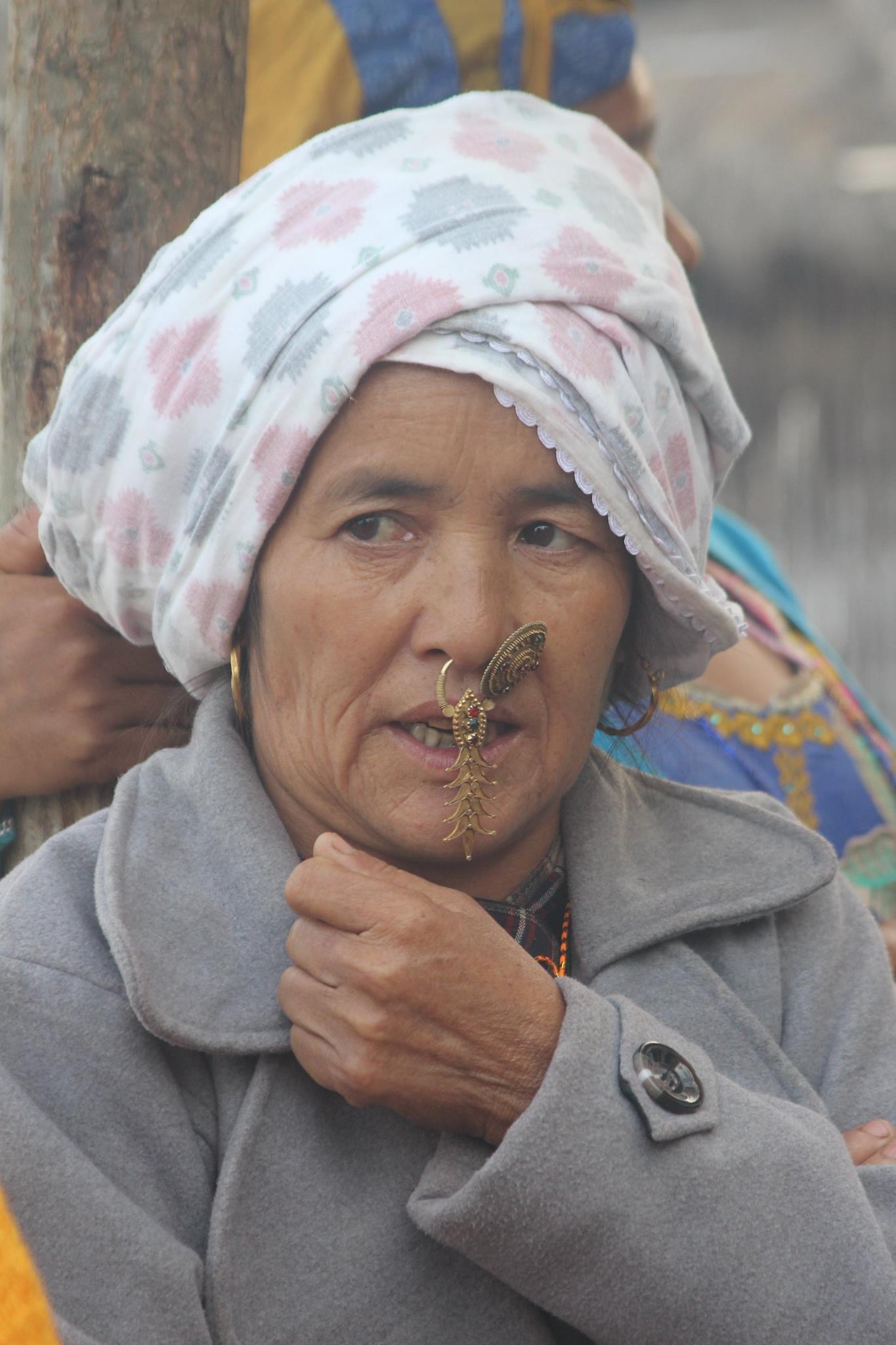
Languages
32+ living languages — ISO codes, scripts, speaker counts.
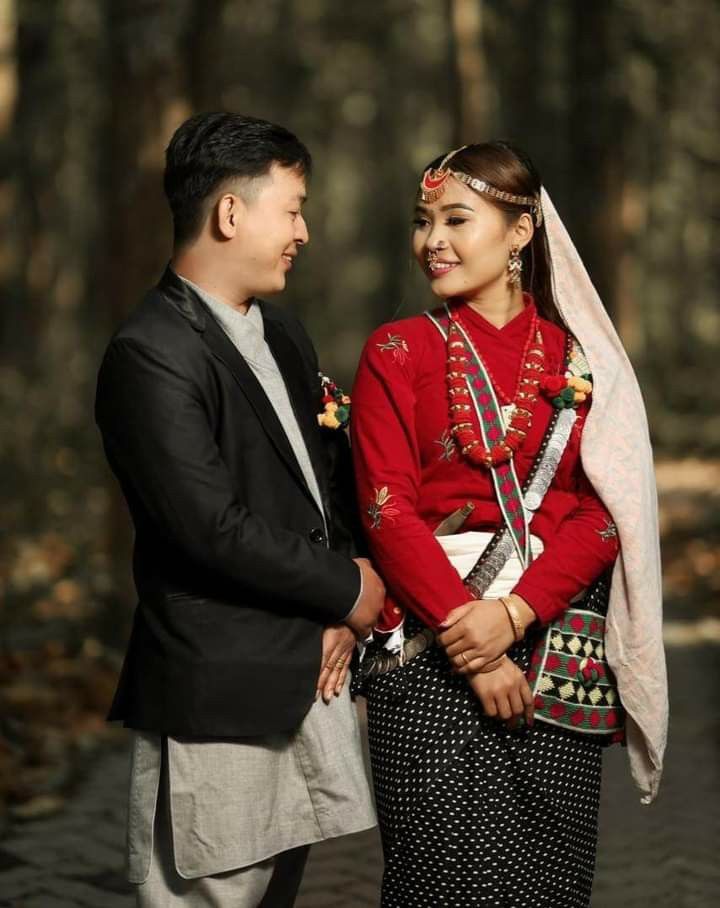
Culture
Dress, food, housing, music, dance — daily life.
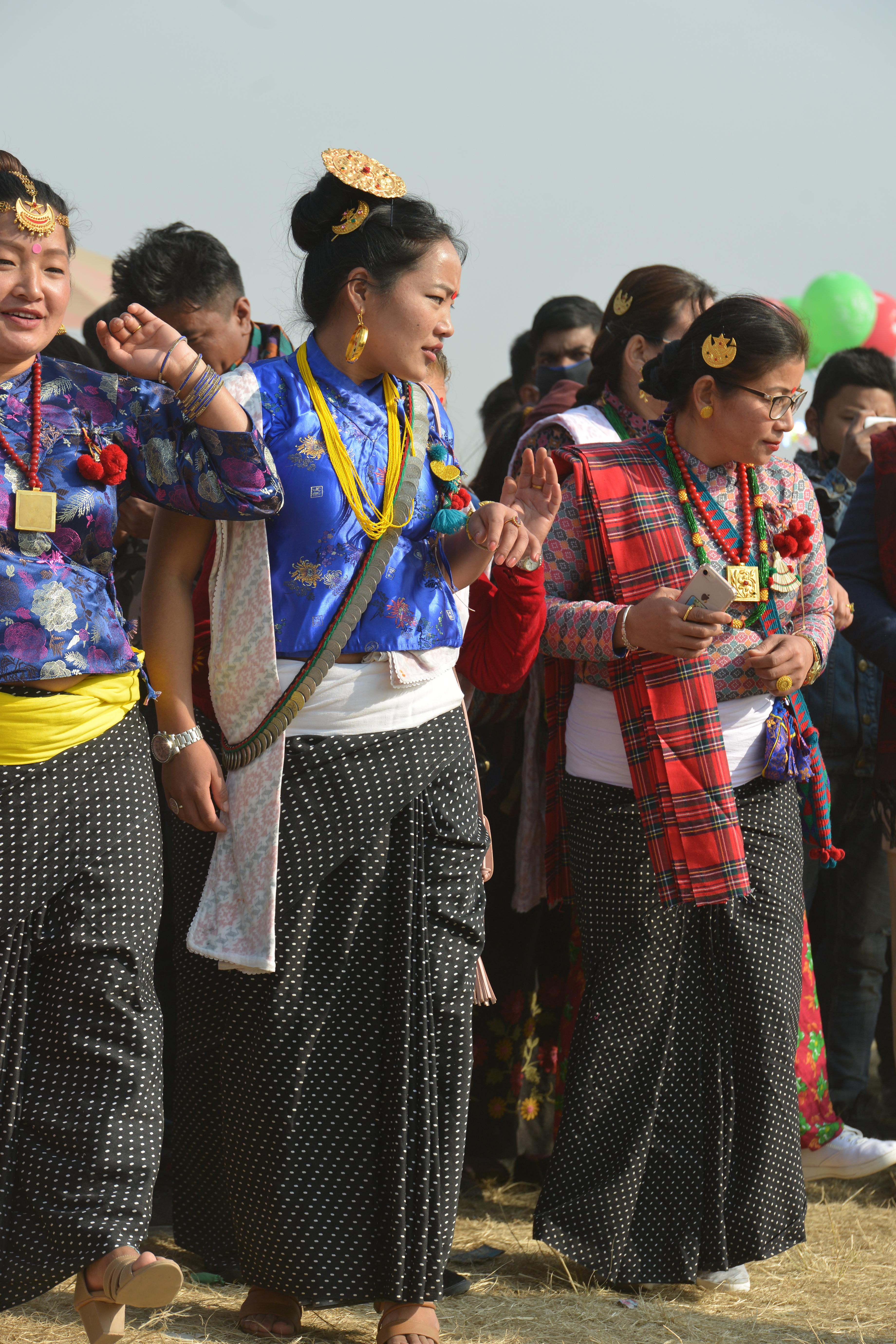
Festivals
Sakela, Nwagi, Yele — the ritual year.
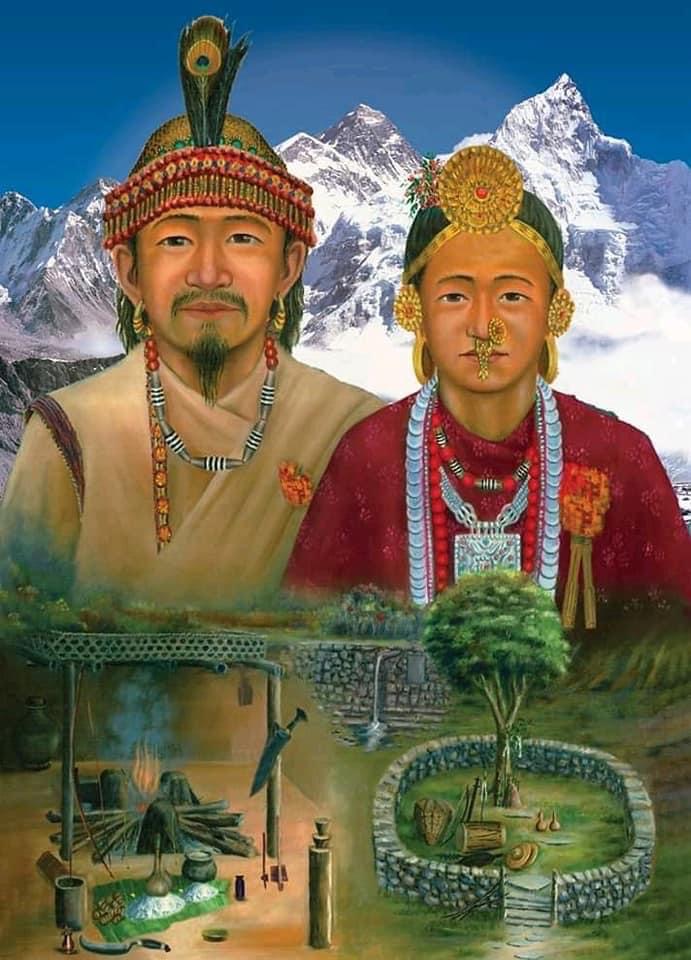
Religion
Kirat Mundhum: ancestors, nature spirits, shamans.
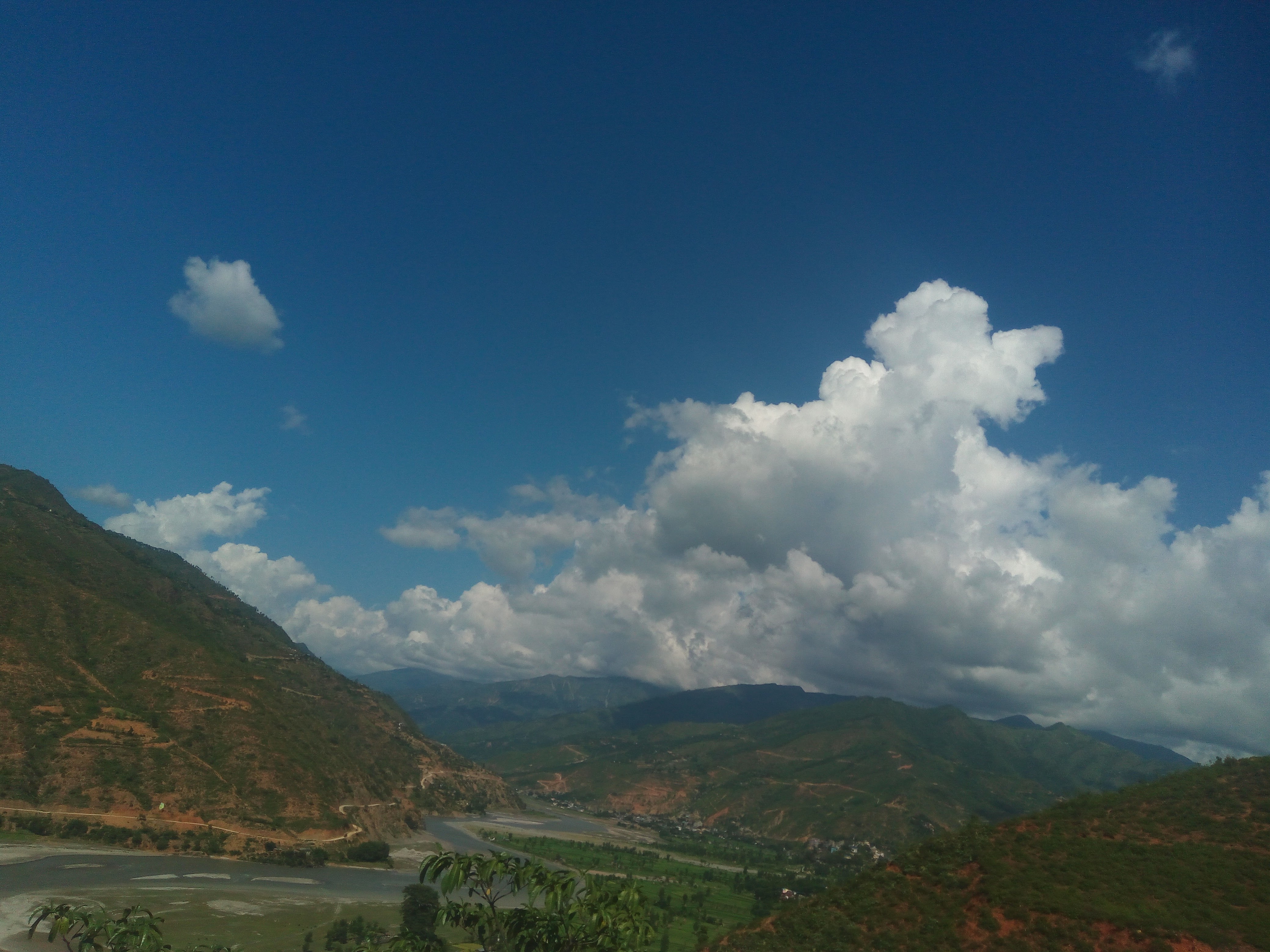
History
The Kirat Dynasty of the Valley to the present day.
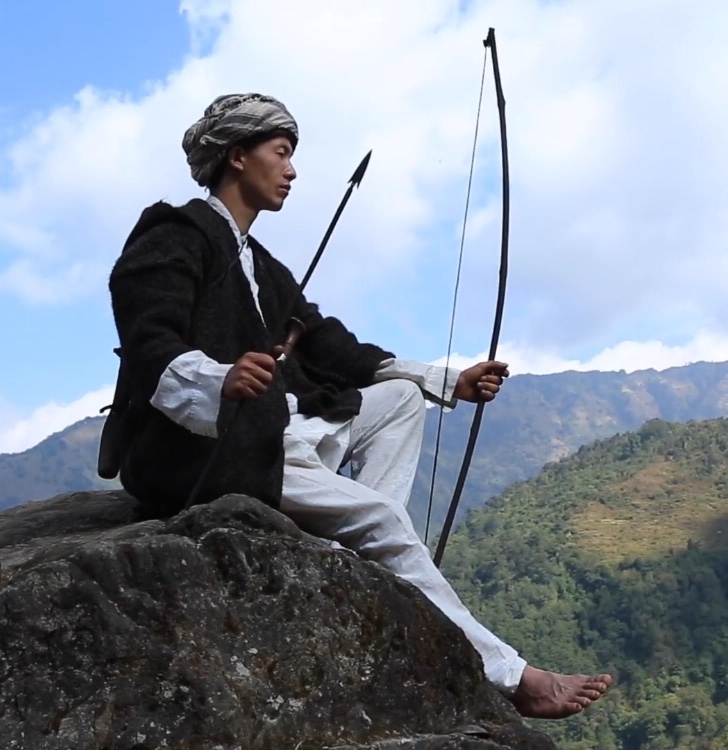
People & Subgroups
Khambu, Chamling, Sampang, Dewas — who we are.
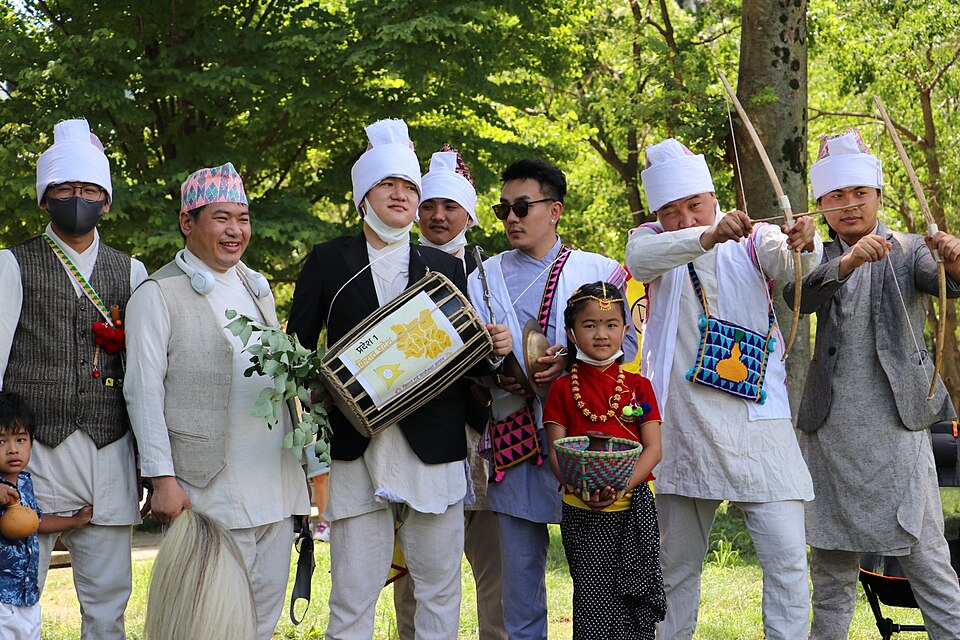
Organizations
Kirat Rai Yayokkha and diaspora associations.
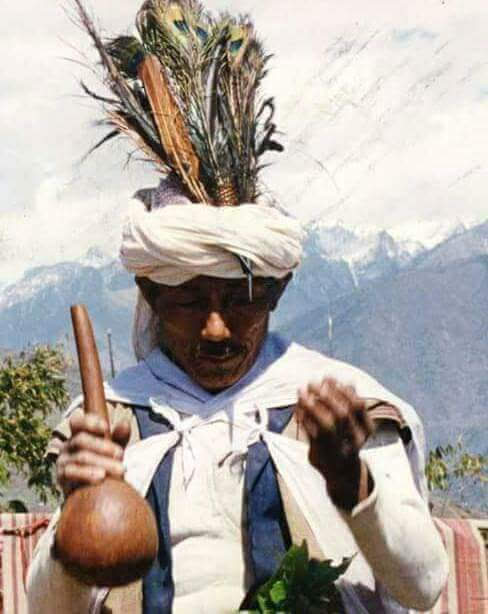
Notable People
Writers, politicians, activists, artists.
From the network
Notable people
- Tara Rai
- Suresh Rai
- Sunita Rai
- Suman Rai
Worth knowing
- 011,100 yearsof continuous Kirat Dynasty rule in the Kathmandu Valley (c. 800 BCE – 300 CE), before the Lichhavi takeover.
- 02Two Sakelaseach year — Ubhauli marks the planting season in Baisakh, Udhauli the harvest in Mangsir. Both centre on the Sili dance.
- 0314 languagesare endangered, with 5,000 or fewer speakers each. Intergenerational transmission is the frontline.
- 0415+ countrieshost Rai diaspora communities — from Sikkim and Darjeeling to Hong Kong, the UK, and Australia.
- 05Mundhumthe oral scripture — recited by Nakchhong shamans — carries cosmology, genealogy, and ritual law.
Questions people ask
How many Rai languages are there?
There are over 32 distinct Rai languages, primarily belonging to the Tibeto-Burman language family (plus Indo-Aryan Dewas Rai). The most widely spoken are Bantawa and Sunuwar, each with around 85,000 speakers.
Where do the Rai people live?
Primarily the eastern hills of Nepal — Khotang, Bhojpur, Dhankuta, Udayapur, Okhaldhunga, and Solukhumbu — with large communities in Sikkim, Darjeeling, Bhutan, and a global diaspora.
What is the Rai population in Nepal?
Over 640,000 per the 2021 census — roughly 2.2% of Nepal, the fifth largest indigenous group (Janajati). Another 360,000+ live abroad.
What is the Kirat Dynasty?
An ancient ruling dynasty of the Kathmandu Valley, reigning roughly 800 BCE to 300 CE. The 28th and last king, Gasti, was overthrown by the Lichhavis. Remembered as a golden age of religious tolerance.
Are Rai and Limbu the same?
No — distinct groups sharing the broader Kirat identity. Different languages, traditions, and organizations. The Rai are the second largest Kirat group; the Limbu (Yakthung) are the largest.
Why are Rai languages endangered?
Nepali's dominance, urban migration, scarce written materials, and broken intergenerational transmission. Organizations like Kirat Rai Yayokkha are documenting and revitalizing them.
How can I learn a Rai language?
Bantawa has the most learning resources. Start with community events, speakers in your area, materials from the Linguistic Survey of Nepal, and university work on Kiranti languages.
Contribute to the network
This is a living resource for the Rai community. Got knowledge, photographs, or stories to share?
Get in Touch