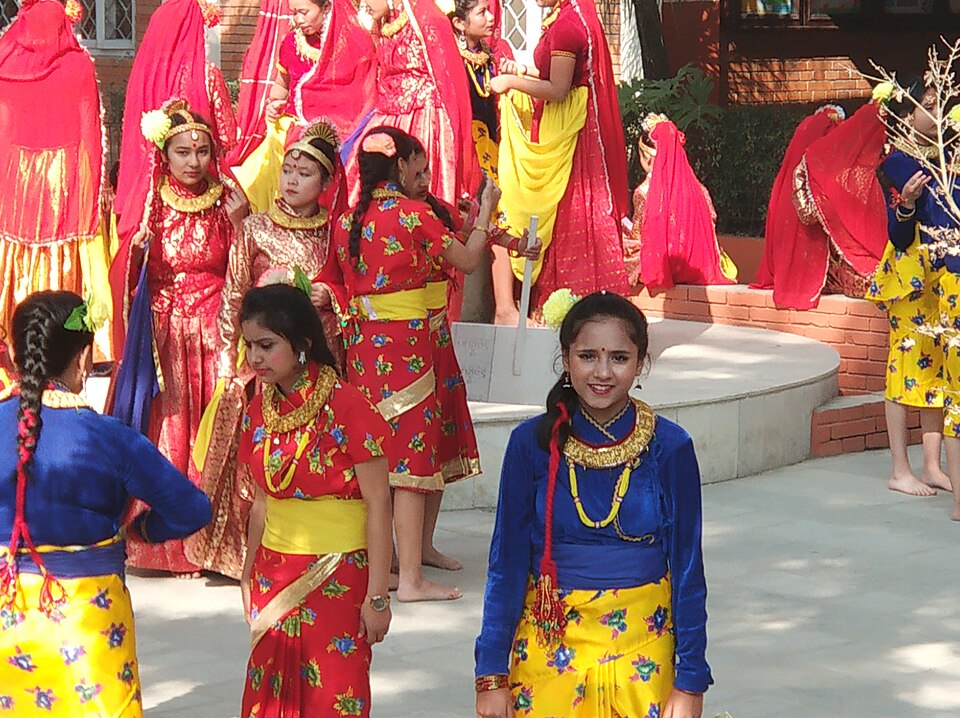
Rai Festivals in the Modern Era — Adaptation and Revival
Rai festivals, particularly Sakela, have undergone significant transformation in the modern era. While maintaining their core spiritual and cultural significance, these festivals have adapted to contemporary contexts — urbanization, globalization, and digital connectivity — ensuring their relevance for future generations.
The Evolution of Sakela
Sakela, the most important Rai festival, has evolved considerably from its traditional village setting:
- Urban Celebrations: In Kathmandu, Pokhara, and other cities, Rai communities organize Sakela celebrations in public spaces, community halls, and parks. These urban festivals bring together Rai people from diverse subgroups.
- Diaspora Festivals: Rai communities worldwide — in the UK, USA, Australia, Japan, Malaysia, and Singapore — celebrate Sakela, maintaining cultural connections across borders.
- Inter-Community Participation: Modern Sakela celebrations often welcome non-Rai participants, promoting cross-cultural understanding and showcasing Rai culture to wider audiences.
- Government Recognition: Sakela has gained official recognition in Nepal, with government support for cultural programs and public holidays for festival celebrations.
Technology and Festival Organization
Digital technology has transformed how Rai festivals are organized and experienced:
- Social Media: Facebook, Instagram, and YouTube are used to promote festivals, share live streams, and connect Rai people globally.
- Online Registration: Digital platforms enable efficient registration and coordination of large festival events.
- Virtual Participation: Rai people who cannot attend in person can participate virtually through live streaming and video calls.
- Digital Documentation: Festivals are documented through professional photography and videography, creating archives for future generations.
Modern Elements in Traditional Festivals
Contemporary Rai festivals incorporate new elements while preserving tradition:
- Cultural Programs: Stage performances, competitions, and exhibitions showcasing Rai music, dance, art, and literature.
- Educational Workshops: Sessions on Rai language, history, and cultural practices for younger generations.
- Health Camps: Free health checkups and medical services provided during festival gatherings.
- Business Exhibitions: Stalls promoting Rai products — tea, handicrafts, textiles, and food — supporting local entrepreneurs.
- Youth Engagement: Sports tournaments, talent shows, and innovation competitions to engage young Rai people.
Challenges to Traditional Festival Practices
Modern Rai festivals face several challenges:
- Generational Gap: Younger Rai may be less familiar with traditional rituals and their meanings.
- Urbanization: City dwellers may lack access to traditional festival spaces and materials.
- Commercialization: The risk of festivals becoming overly commercialized, losing their spiritual essence.
- Time Constraints: Modern work schedules make it difficult for many Rai to participate in multi-day festivals.
- Environmental Concerns: Traditional festival practices may need adaptation to address environmental sustainability.
Revival and Preservation Efforts
Various initiatives are working to preserve and revitalize Rai festivals:
- Cultural Education: Schools and community organizations teach young Rai about festival traditions and their significance.
- Elder-Youth Programs: Pairing elders with young people to transmit traditional knowledge and practices.
- Documentation Projects: Recording and archiving festival rituals, songs, and oral histories.
- Research and Publication: Academic studies and publications on Rai festival traditions.
- Government Support: Official recognition and funding for cultural preservation programs.
The Future of Rai Festivals
As the Rai community continues to evolve, its festivals will likely continue adapting:
- Greater integration of technology while maintaining traditional core
- Increased participation from diaspora communities
- Stronger emphasis on youth engagement and education
- Enhanced cultural tourism opportunities
- Continued government and institutional support
The resilience of Rai festivals demonstrates the community's ability to adapt while preserving its cultural essence. As Rai people navigate the modern world, their festivals remain a vital link to their heritage and a source of community strength.