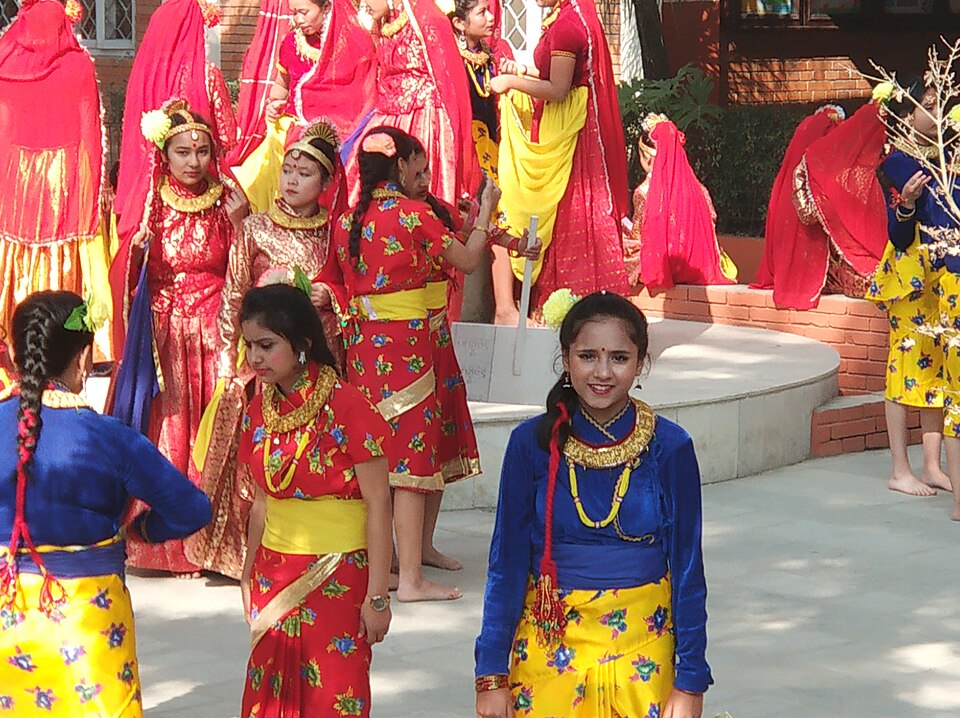
Traditional Rai Dance Traditions
Dance is a vibrant and essential part of Rai cultural expression. Rai dance traditions encompass a wide range of styles, from ceremonial and ritual dances to social and celebratory performances.
The Sakela Sili — The Most Famous Rai Dance
The Sakela Sili is the most well-known and significant dance of the Rai people. It is performed during the Sakela festival and is a circular dance that involves men and women holding hands and moving in a circle.
Key features:
- Circular formation: Dancers form a large circle, symbolizing unity, continuity, and the cycles of nature.
- Holding hands: Participants hold hands, creating a physical bond that represents community connection.
- Specific steps: The dance involves a set of traditional steps and movements that have been passed down through generations. The steps are synchronized and follow a specific pattern.
- Leadership: The Nakshatra (chief priest) leads the dance, often starting the movements and guiding the participants.
- Music: The dance is accompanied by traditional music, including flutes, drums, and singing.
- Duration: The Sakela Sili is performed over several days during the festival, often late into the night.
Other Traditional Dances
- Chasama dance: Performed during Chasama ceremonies, this dance has specific ritual significance and movements.
- Yele dance: Traditional dance performed during the Yele festival, featuring lively movements and celebratory energy.
- Wedding dances: Various dances performed at weddings, often involving the bride, groom, and guests.
- Social dances: Casual dances performed at gatherings and celebrations, often with more freedom in movement and participation.
Costumes and Adornment
Traditional Rai dance is often performed in traditional clothing:
- Women: Wear the pachhat (wrapped skirt), blouse, headband, and traditional ornaments.
- Men: Wear dhotis, kurtas, and sometimes traditional vests and headbands.
The clothing adds to the visual beauty and cultural authenticity of the dance performances.
Significance of Dance
Dance in Rai culture serves multiple purposes:
- Ritual function: Many dances have specific ritual meanings and are part of religious ceremonies.
- Social cohesion: Dance brings the community together, strengthening bonds and shared identity.
- Cultural preservation: Dance is a living tradition that preserves and transmits cultural knowledge and aesthetics.
- Joy and celebration: Dance is fundamentally an expression of joy, celebration, and human vitality.