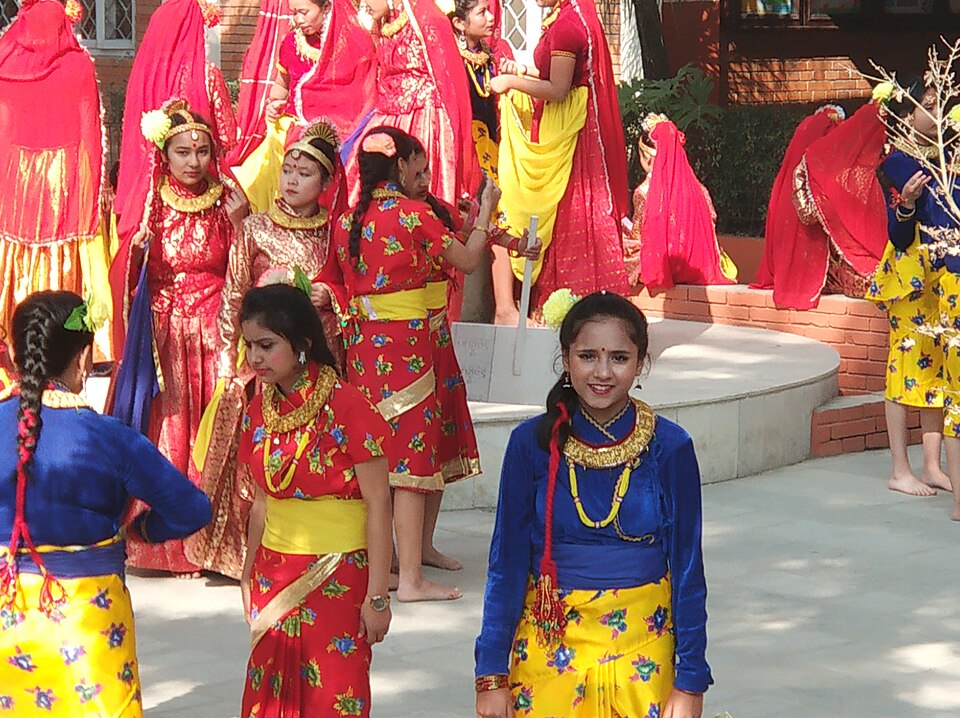
Coming-of-Age Ceremonies in Rai Culture
Coming-of-age ceremonies mark the transition from childhood to adulthood in Rai culture. These rites of passage are important social and spiritual events that prepare young people for their roles as adult members of the community. The ceremonies vary by subgroup and gender but share common themes of education, responsibility, and community recognition.
Female Coming-of-Age
For Rai girls, the onset of menstruation is marked by specific rituals:
- Bel Puja (Bel Bibaha): In some Rai communities, particularly the Limbu, a ceremony called "Bel Bibaha" or "Bel Puja" is performed. The girl is symbolically married to the Bel fruit (wood apple), which is considered a sacred and pure act. This ceremony is believed to purify the girl and prepare her for womanhood.
- Seclusion Period: The girl may be secluded for a period (typically 5-11 days) during her first menstruation. During this time, she is cared for by female relatives who teach her about womanhood, marriage, and adult responsibilities.
- Purification Ritual: After the seclusion period, a purification ritual is performed. The girl is bathed, dressed in new clothes, and presented to the community.
- Celebration: A celebration is held where the girl is recognized as an adult. She receives gifts, blessings, and advice from elders.
Male Coming-of-Age
For Rai boys, coming-of-age is marked by different rituals:
- Chasama: The Chasama ceremony is performed to mark important life transitions, including a boy's entry into adulthood. The Nakshhong leads the ceremony, offering prayers and blessings.
- Education and Training: Boys are taught adult skills including farming, hunting, traditional crafts, and community responsibilities. This education is often informal, passed down through observation and participation.
- First Participation in Adult Rituals: A significant milestone is when a young man is first allowed to participate in adult rituals, including leading prayers, performing in festivals, and taking on community roles.
- Head Shaving (Chudakarma): In some Rai communities, a head-shaving ceremony is performed as a rite of purification and transition.
Common Elements
Regardless of gender, Rai coming-of-age ceremonies share common elements:
- Community Involvement: The entire community participates in recognizing and celebrating the young person's transition to adulthood.
- Elders' Blessings: Elders and the Nakshhong offer blessings, advice, and guidance for the young person's future.
- Traditional Knowledge: Young people receive instruction in traditional knowledge, including the Mundhum, cultural practices, and community values.
- New Responsibilities: After the ceremony, the young person is expected to take on adult responsibilities, including contributing to household work, participating in community events, and upholding cultural traditions.
- New Privileges: Adulthood also brings new privileges, including the right to marry, participate in decision-making, and represent the community.
Modern Adaptations
While traditional coming-of-age ceremonies remain important, modern influences have led to some changes:
- Formal education has become an important part of the transition to adulthood.
- Some families combine traditional ceremonies with modern celebrations like birthday parties.
- Urban Rai communities may adapt ceremonies to fit city life while maintaining their core meaning.
- Despite these changes, the fundamental purpose of preparing young people for adult life remains central to Rai culture.