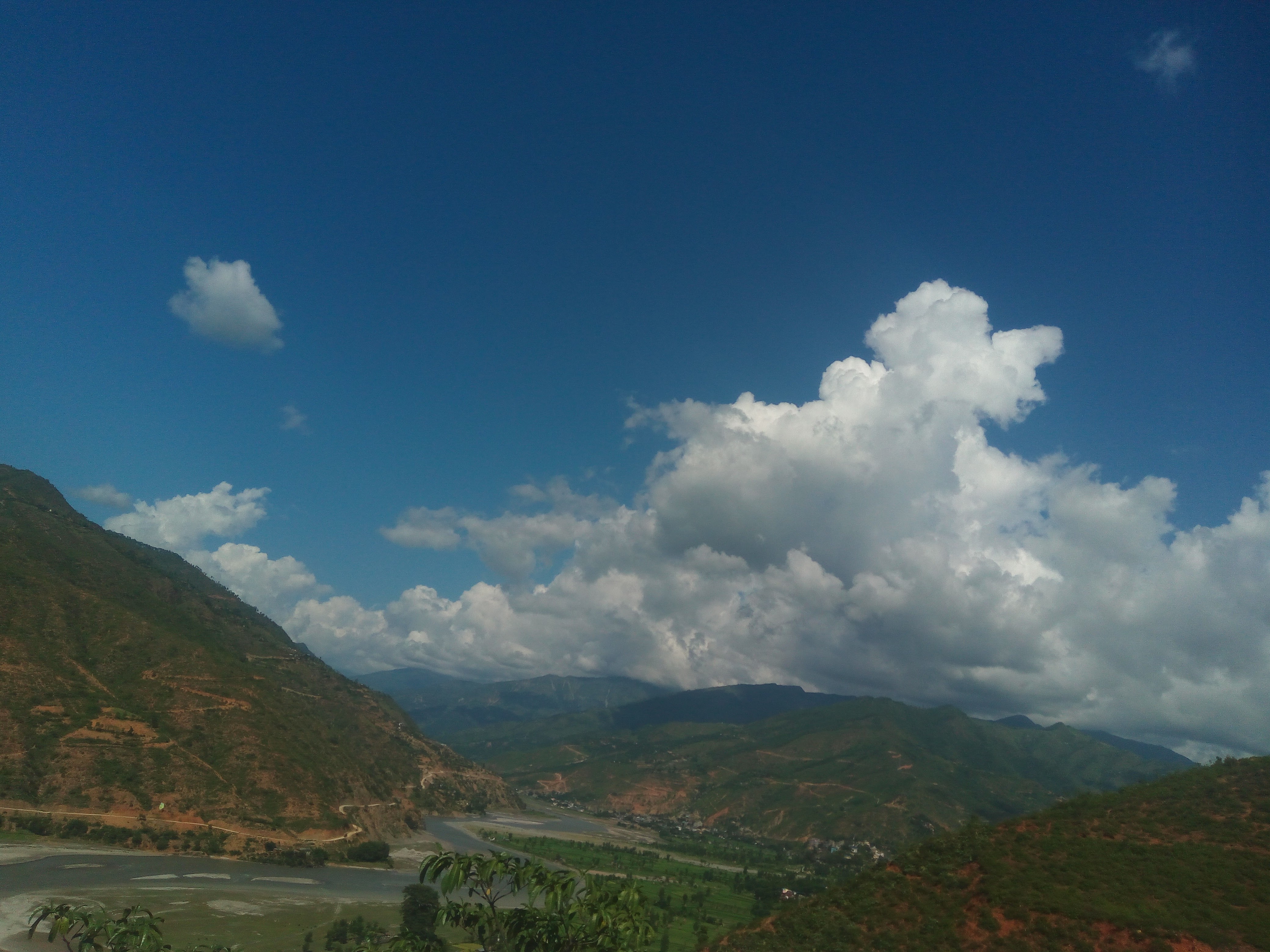
The Kirat Kingdoms of Eastern Nepal
Political Organization
Before the unification of Nepal under the Gorkha Kingdom, the eastern hills were dotted with various Kirat principalities and kingdoms. These were ruled by local chiefs and kings who governed according to traditional Kirat customs and the principles of the Mundhum.
Key Kirat Territories
The main Kirat-inhabited areas included:
- Khotang: Inhabited by Chamling, Dumi, Puma, Sampang, Koyu, Nachhiring, and Tilung speaking groups.
- Bhojpur: Inhabited by Bantawa, Dungmali, Sampang, Kulung, and Mewahang/Newahang speaking groups.
- Solukhumbu: Inhabited by Kulung, Khaling, Thulung, Nachhiring, and Sotang speaking groups.
- Sankhuwasabha: Inhabited by Yamphu, Mewahang, Lohorung, and Kulung speaking groups.
- Dhankuta: Inhabited by Athpare, Belhare, Chhiling, Mugali, Phangduwali, and Bantawa speaking groups.
- Okhaldhunga: Inhabited by Wambule, Jerung, and Bahing speaking groups.
- Udayapur: Inhabited by Chamling, Tilung, and Wambule speaking groups.
The Rai People in the Eastern Hills
The Rai people, as part of the broader Kirat family, were one of the most prominent groups in the eastern hills. They were known for their warrior traditions, agricultural skills, and rich cultural practices. The Rai were organized into various subgroups (Khambu, Chamling, Sampang, Dewas, etc.) each with their distinct identity but united by common Kirat traditions.
Kirat-Rai Cultural Synthesis
The Kirat-Rai culture was deeply connected to the land and nature. Their society was organized around:
- Agriculture: The primary economic activity, with sophisticated terrace farming techniques.
- Festivals: The Sakela and other festivals marked the agricultural cycle and reinforced community bonds.
- Religion: The practice of Kirat Mundhum, with its emphasis on nature worship, ancestor veneration, and shamanic practices.
- Traditional governance: Local chiefs and councils that governed according to customary law.